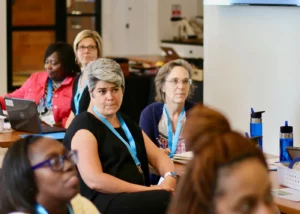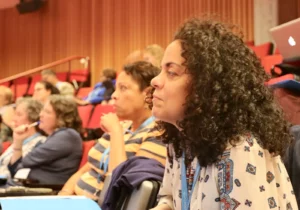

During the first week of November 2025, hundreds of special education leaders from across the country gathered together in Oklahoma City for the Council of Administrators of Special Education (CASE) conference. The CASE conference “represents a unique opportunity to unite, collaborate, and inspire one another in our shared endeavor to lead and innovate in special education.”
November 2025 marks 50 years since the Individuals with Disabilities Education Act (IDEA) transformed education in the United States. This landmark, human-centered, civil rights law established a vision for providing students with disabilities equal opportunities and full participation in our public education system.
In the IDEA law, Congress states: “Improving educational results for children with disabilities is an essential element of our national policy of ensuring equality of opportunity, full participation, independent living, and economic self-sufficiency for individuals with disabilities.”
To celebrate the 50th anniversary, we asked special education leaders who attended CASE 2025 to reflect on what IDEA means to them. The top three sentiments share a human-centered focus and commitment to an individual student’s well-being and achievement.
Let’s take a closer look at each of the three themes.
1) Access and Equity
A stated purpose of IDEA is “to ensure that all children with disabilities have available to them a free appropriate public education that emphasizes special education and related services designed to meet their unique needs and prepare them for further education, employment, and independent living.”
Due to the passage of IDEA, there has been a shift from exclusion to inclusion of students with disabilities in the same classrooms and schools as students without disabilities. This leads to engagement in more rigorous courses and better preparation for post-secondary opportunities.
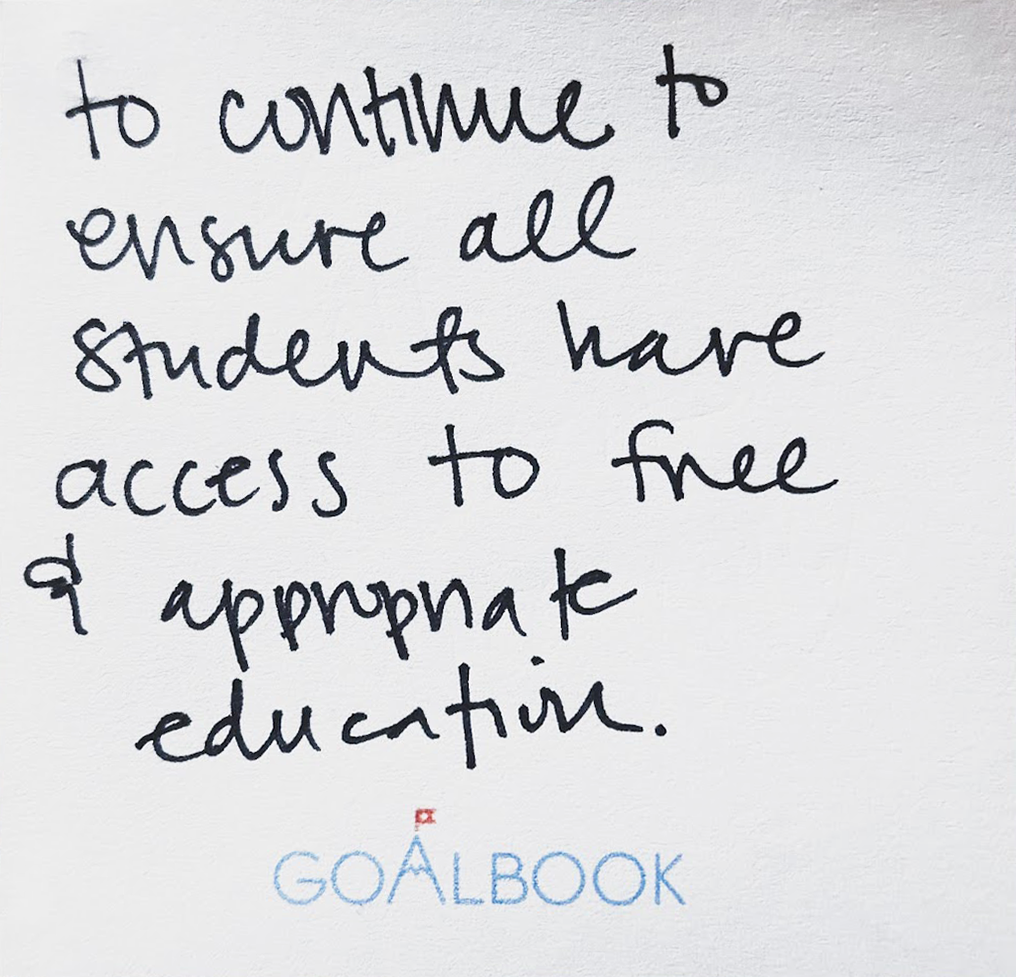
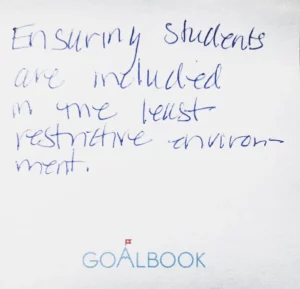
Leaders frequently repeated the sentiment of access and equity. They wrote:
- “To continue to ensure all students have access to free and appropriate education.”
- “Ensuring students are included in the least restrictive environment.”
- “Access for ALL.”
- “Advocating for [the] rights of all children and youth with disabilities.”
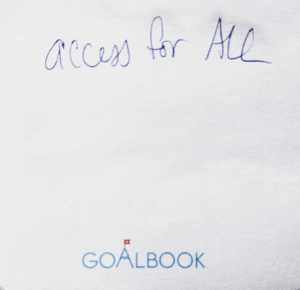
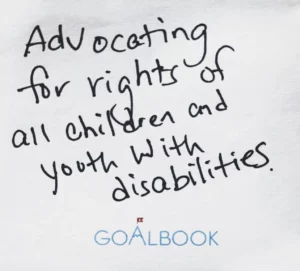
In emphasizing a primary achievement of IDEA is guaranteeing the right to a quality, equitable education to every child, educators recognize a free appropriate public education (FAPE) is the moral, ethical, and legal principle that validates the humanity of students with disabilities, and reaffirms that they be treated with dignity and respect.
2) Empowerment, Individualization, and Inclusion
The spirit of IDEA is centered on empowerment—ensuring every student and their family are seen as true partners and have a seat at the decision-making table. This process is driven by individualization, where educators commit to meeting students exactly where they’re at, providing tools and resources to meet their specific needs. Ultimately, this leads to inclusion, which transforms the classroom into a place of shared growth.
Leaders shared that IDEA empowers educators to:
- “Serve students and families and meet them where they’re at.”
- “Support all students in learning.”
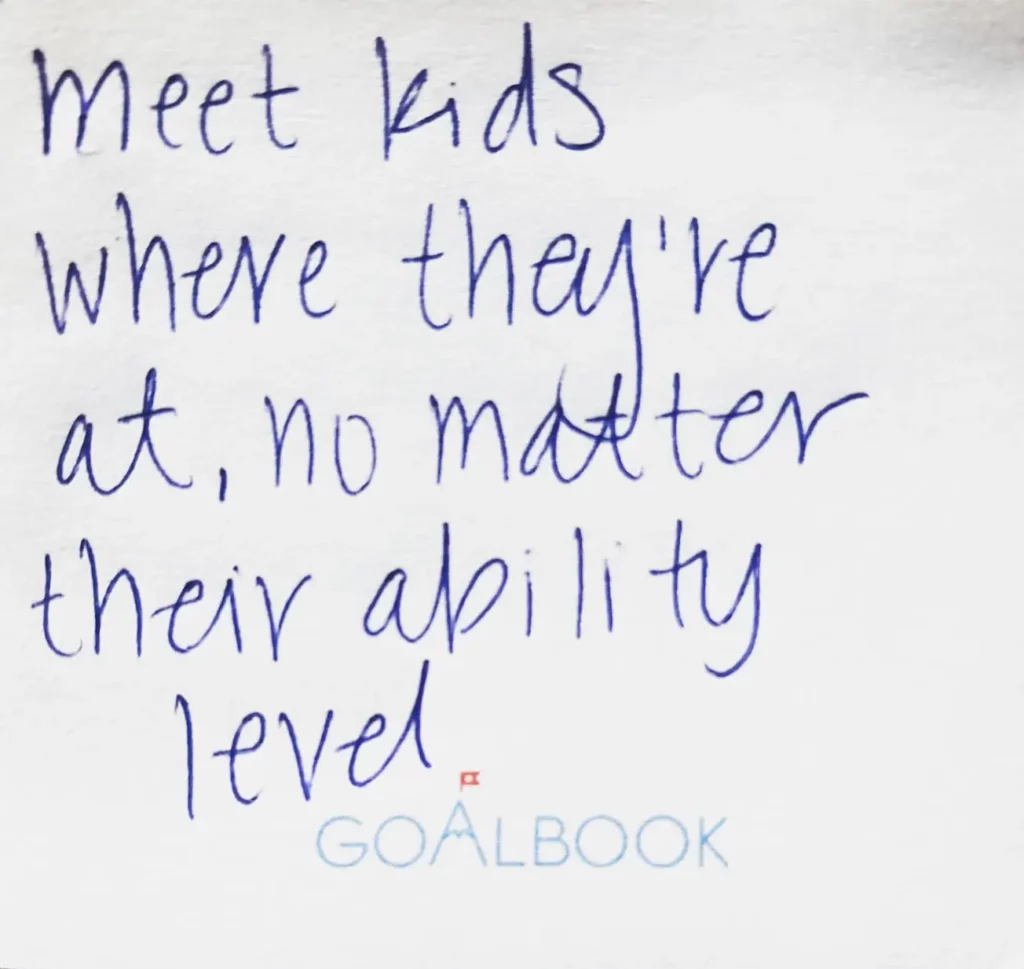
- “Meet kids where they’re at, no matter their ability level.”
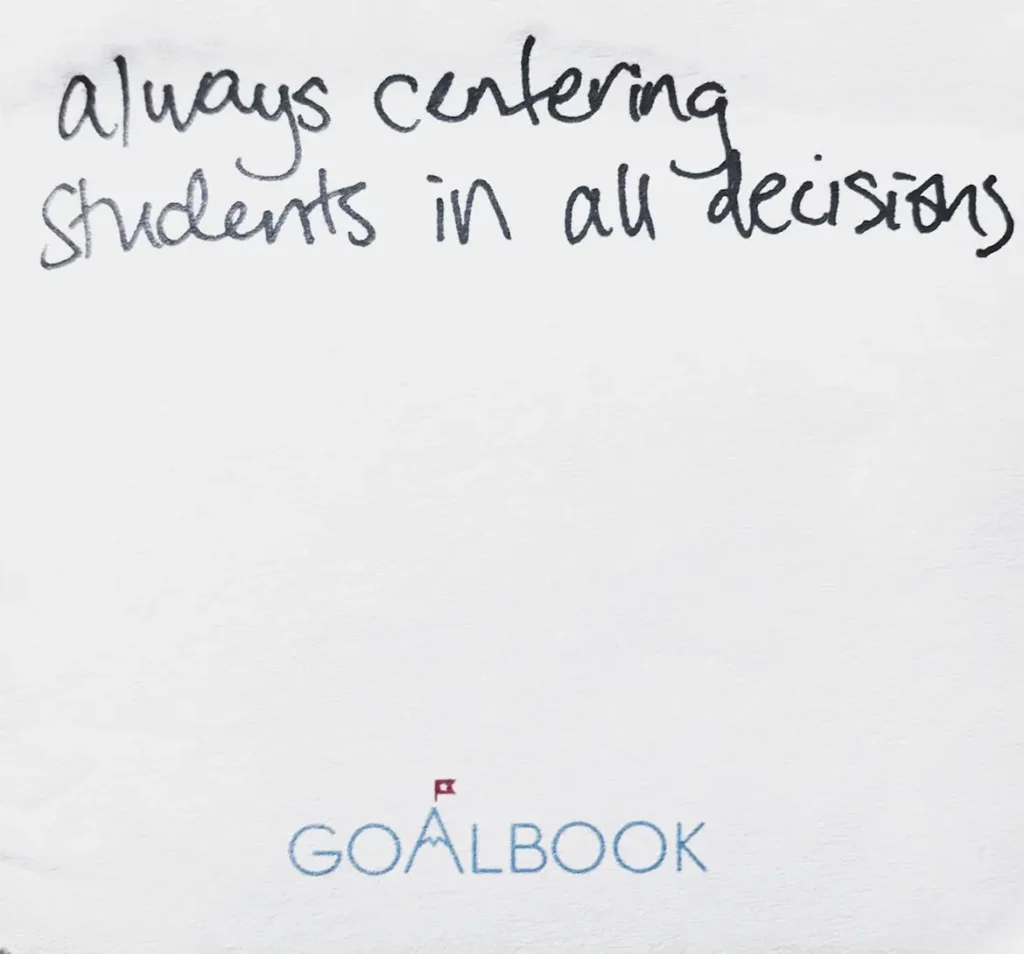
- “Always centering students in all decisions.”
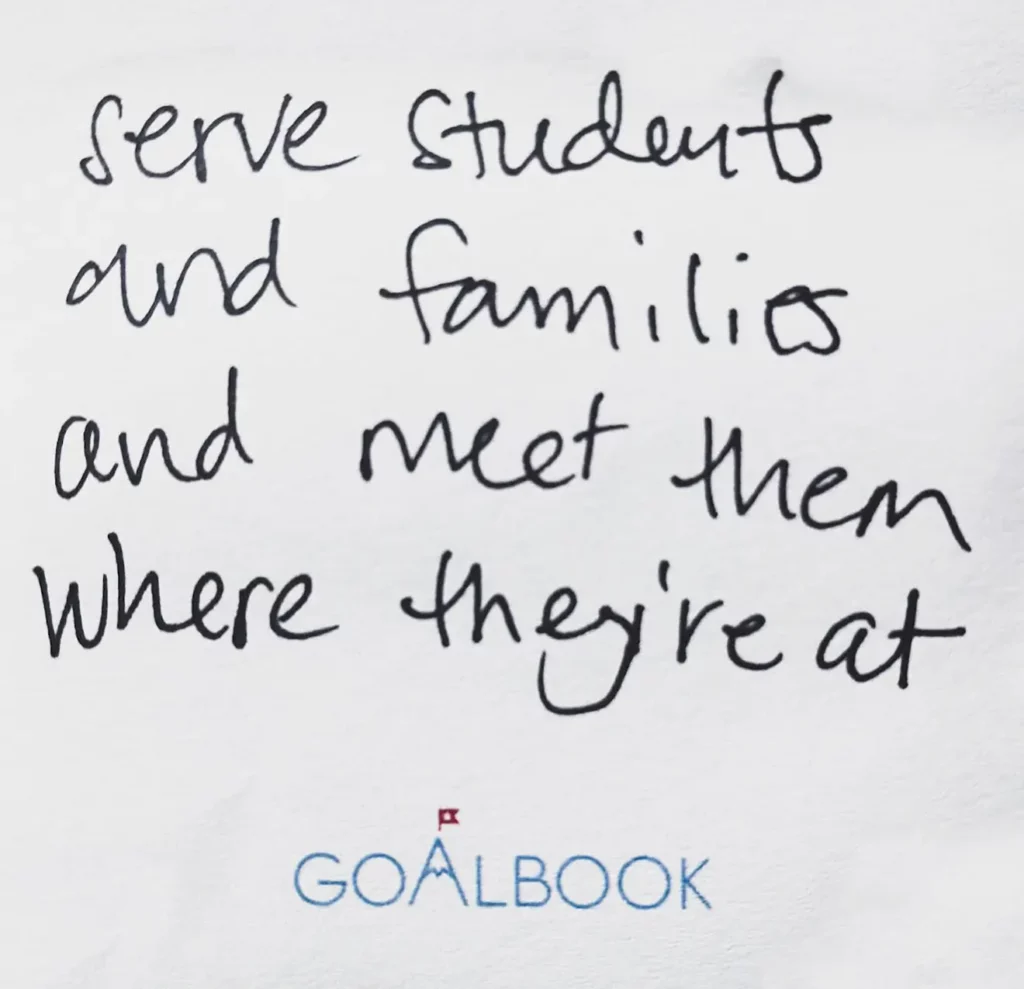
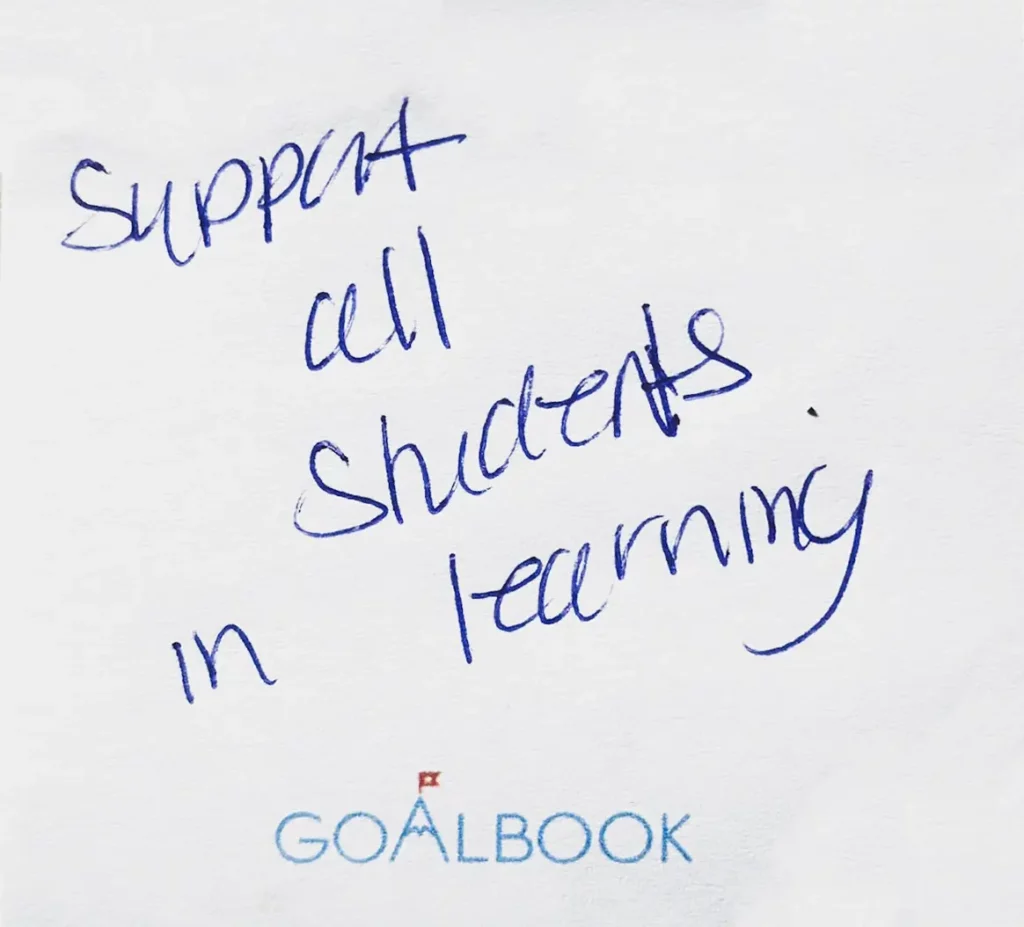
Ultimately, the strength of empowerment lies in educators’ unwavering commitment to serving students and families and centering every student in all decisions. This is keeping the human-centered vision of the IDEA and one of the stated purposes: “to ensure that the rights of children with disabilities and parents of such children are protected.”
3) Sustained Advocacy and Aspiration for Growth
The celebration of IDEA’s 50th anniversary is not just a look back, but a renewal of our commitment to the future. Special education leaders shared their goals extend beyond compliance or simply ensuring students survive their educational journey—they aspire for every student to thrive. This high aspiration is impossible without sustained advocacy from all stakeholders.
Leaders shared they uphold IDEA by:
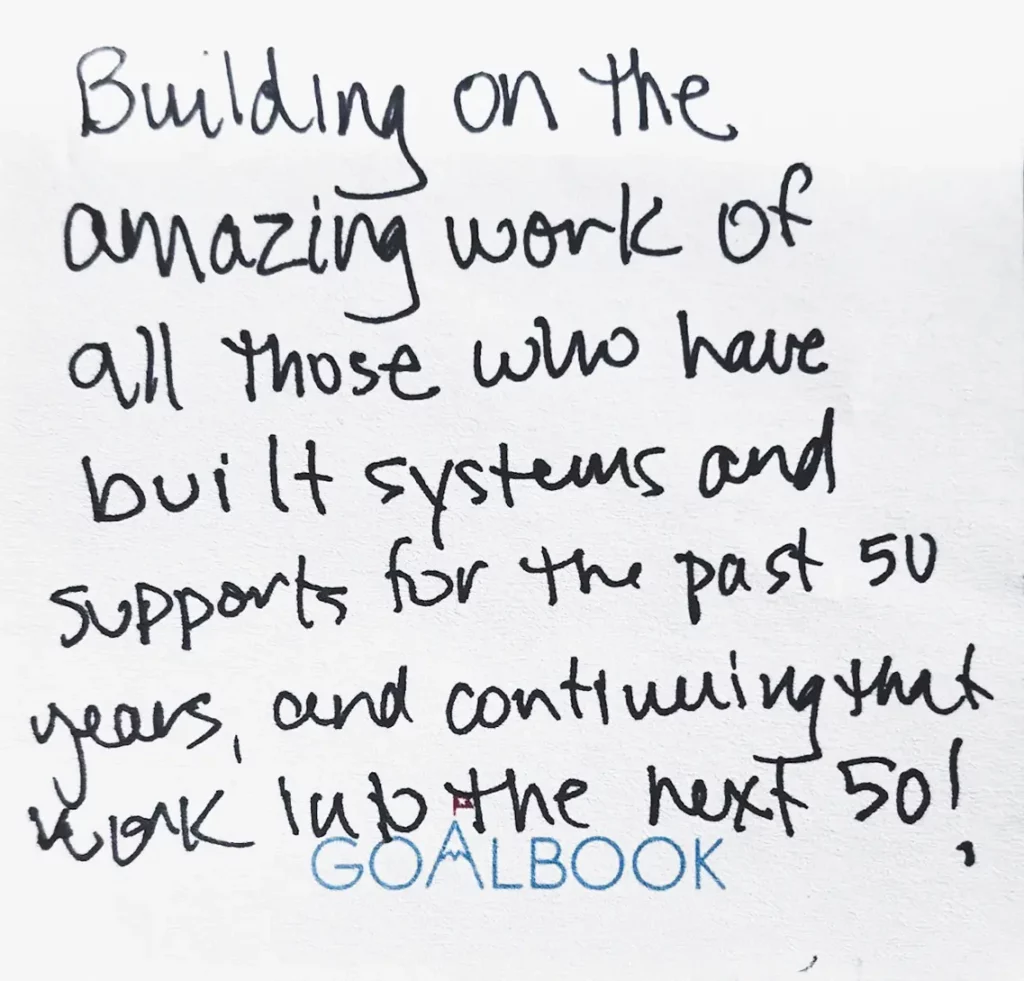
- “Building on the amazing work of all those who have built systems and supports for the past 50 years, and continuing that work into the next 50!”
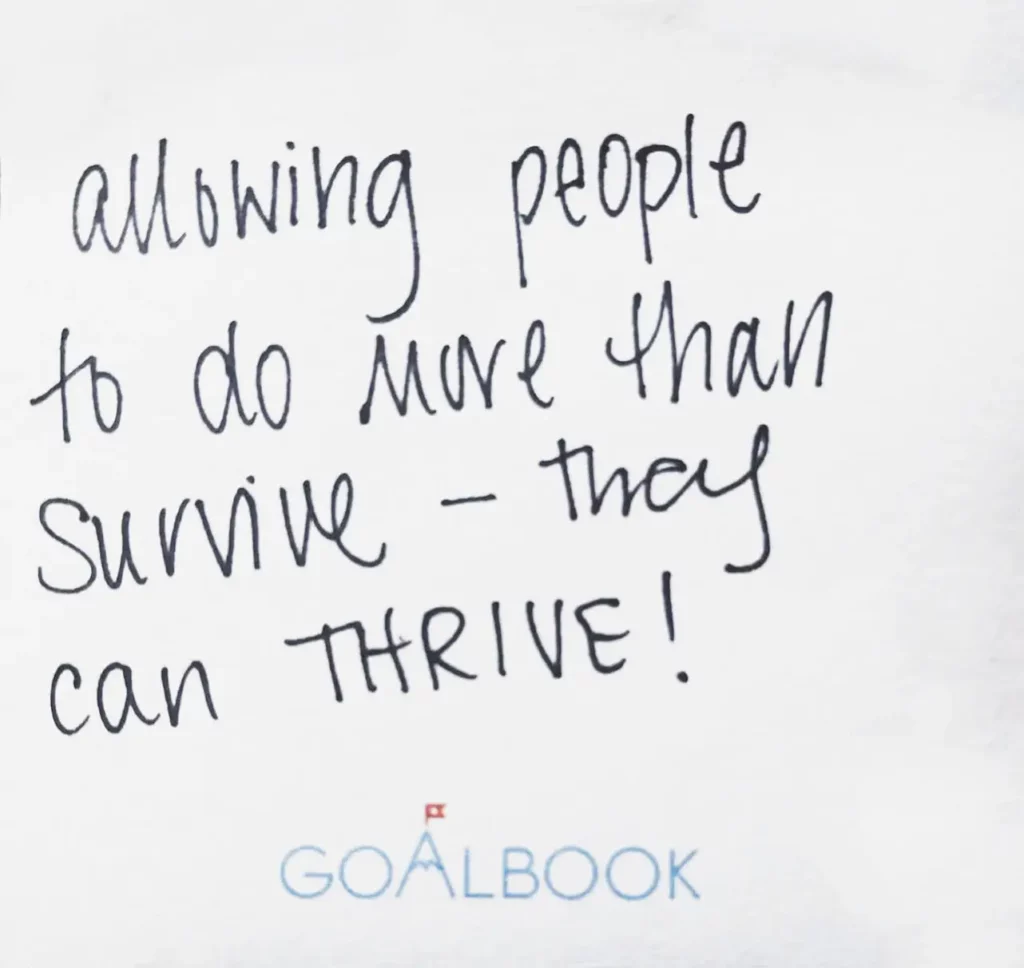
- “Allowing people to do more than survive—they can survive!”
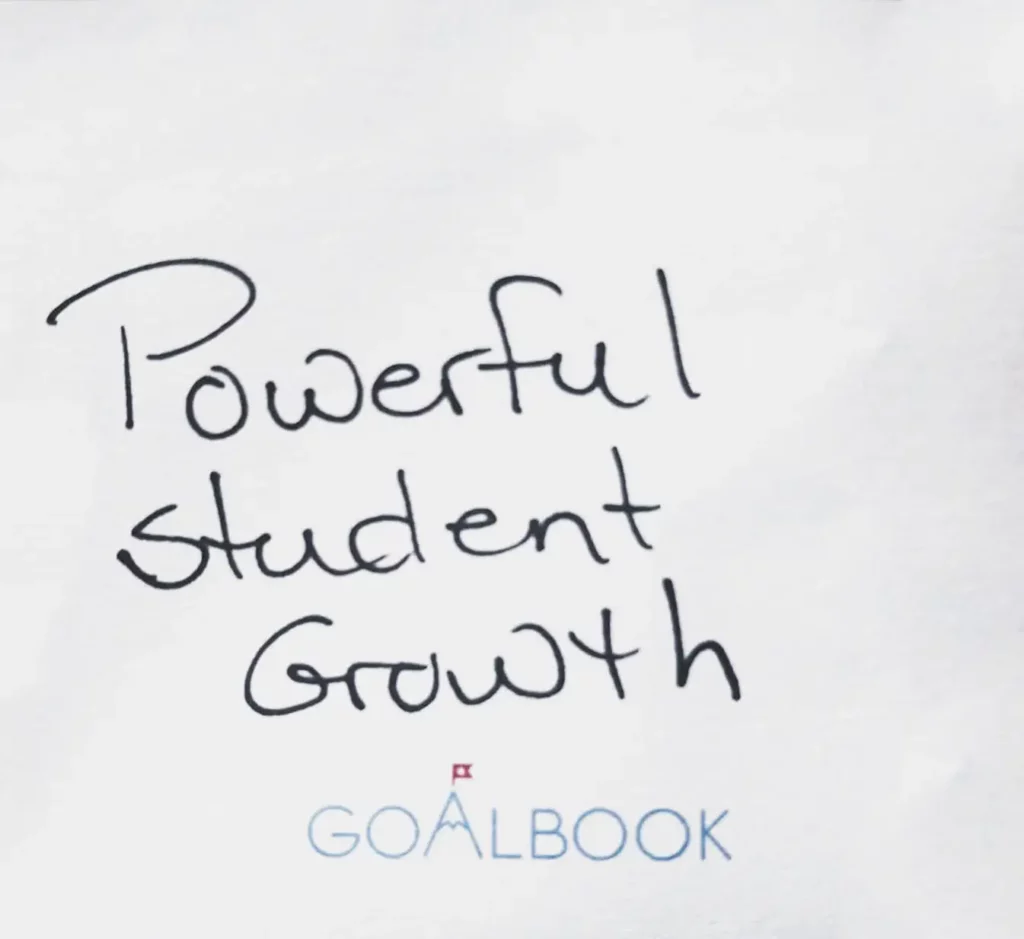
- “Powerful student growth.”
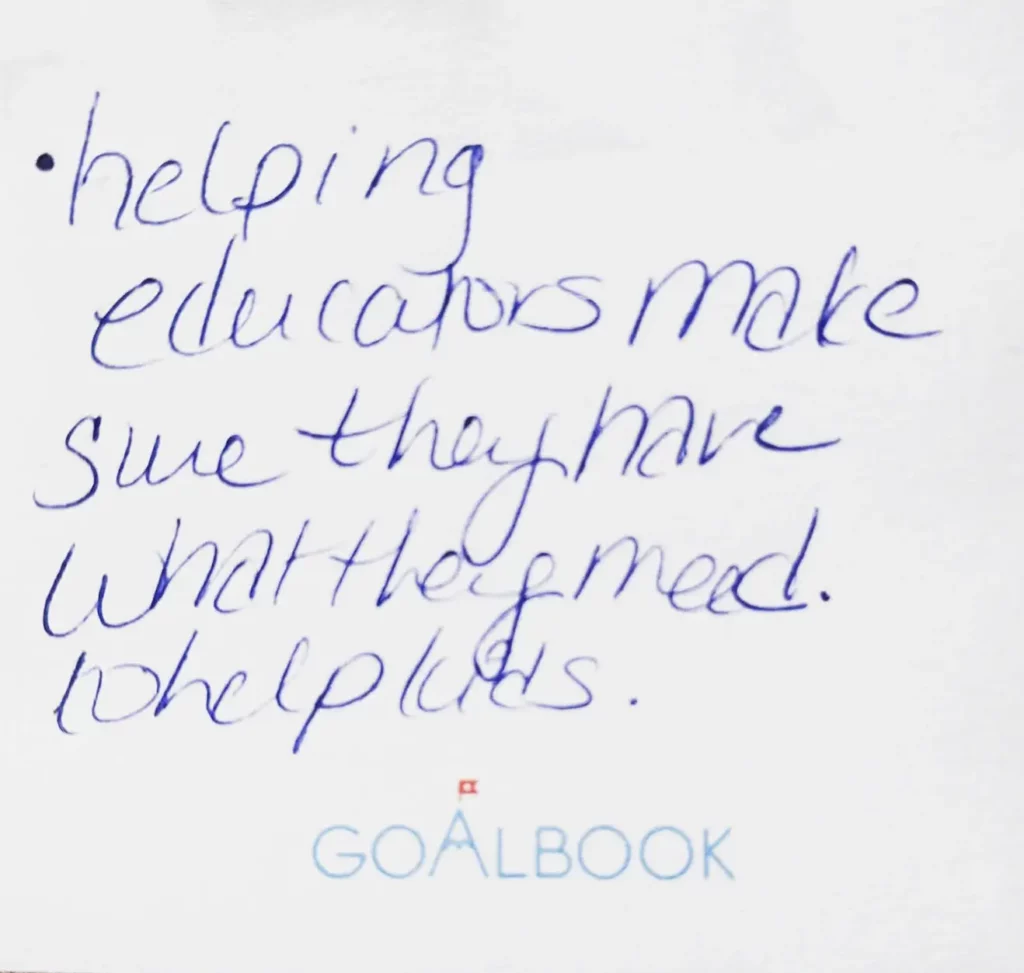
- “Helping educators make sure they have what they need to help kids.”
Research shows that educator effectiveness has the greatest impact on student achievement. When educators are efficient and effective in their instructional practice, student achievement outcomes increase. Thus, educators must be supported and provided access to evidence-based resources that support them in delivering specialized instruction.
Through sustained, collaborative efforts by educators, families, and community partners, the next 50 years of IDEA may fulfill the highest aspiration: that every child is given the opportunity to not just survive, but to truly thrive.
Overall, the responses from leaders do not solely celebrate the last 50 years—they show leaders and educators have a deep commitment to the human-centered vision of IDEA that goes beyond simply meeting the minimum legal requirements of the law. Their dedication propels them forward, fueling the necessary advocacy and collaboration to ensure every student achieves growth and thrives in the future.